

Why Strength Training Matters for New Moms: More Than “Getting Your Body Back”
Becoming a mom changes everything—including your body.

Between feeding, rocking, carrying, lifting a car seat, loading a stroller, and spending hours bent over changing tables or cribs, motherhood is surprisingly physical. And if you’re a new mom, you’ve probably already felt it: the sore back, tired shoulders, aching wrists, weak core, and constant fatigue that can come from the repetitive demands of caring for a baby.
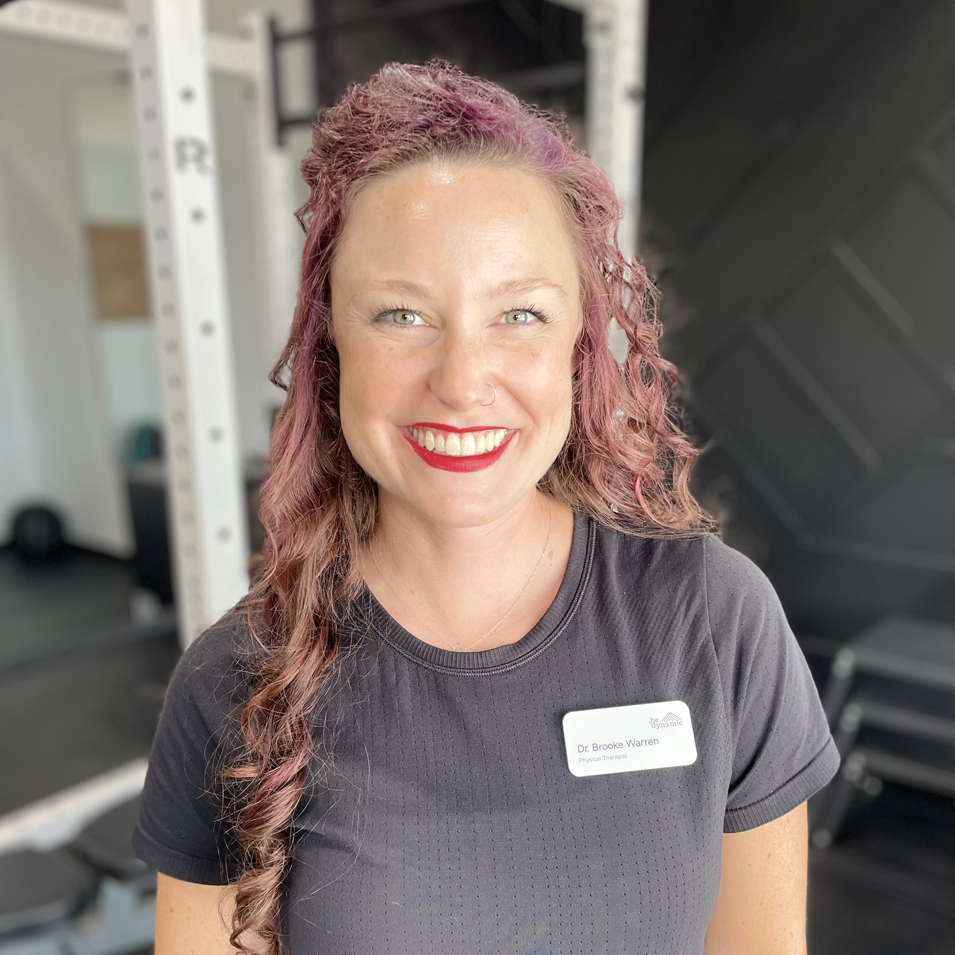
As a Doctor of Physical Therapy and mom to a 7-month-old, I’ve experienced firsthand how postpartum recovery is about much more than aesthetics or “bouncing back.” It’s about building a body that can support the very real physical demands of motherhood.
That’s where strength training comes in.
Motherhood Is an Athletic Event
We don’t often think about parenting as physical training, but maybe we should.
A growing baby means progressively heavier loads. One day you’re holding a tiny newborn; a few months later, you’re carrying a wiggly 20+ pound baby on one hip while unloading groceries and answering a text with one hand.
New moms are constantly performing movements like:
Squatting to pick up toys or babies
Deadlifting car seats, strollers, and laundry baskets
Carrying asymmetrical loads (hello, hip carrying)
Reaching into cribs or car seats
Sustaining prolonged postures during nursing or bottle feeding
Without adequate strength, endurance, and body awareness, these repetitive movements can contribute to discomfort and overuse injuries.

Common Areas New Moms Feel Weakness or Pain
Postpartum bodies often experience changes that can affect movement patterns and stability, including:
Core weakness
Low back discomfort
Neck and shoulder tension
Wrist/thumb pain from lifting and feeding positions
Hip instability or weakness
Pregnancy and delivery—whether vaginal or C-section—place significant demands on the body. Recovery takes time, but intentional strengthening can help support that recovery process.
Strength Training Supports Recovery and Longevity
Strength training postpartum isn’t about punishment or shrinking yourself.
It’s simply about function!
A well-designed strength program can help new moms:
Rebuild core and hip strength
Improve posture and body mechanics
Reduce aches associated with childcare tasks
Improve energy, confidence, and resilience
And perhaps most importantly: strength training helps moms keep up with the ever-changing physical demands of their growing child.
Because babies don’t stay babies for long.

Start Simple, Start Smart
Postpartum exercise doesn’t need to be extreme to be effective.
For many new moms, foundational movements are a great place to begin:
Squats
Hinges/deadlifts
Rows and pulling exercises
Carries
Core stability and breathing work
Glute strengthening
The goal is not perfection—it’s consistency and progressively building capacity.
Learning how to lift, carry, and move well now can support you in the months and years ahead.
Give Yourself Permission to Get Strong
There’s a lot of pressure on moms to “bounce back.”
But what if the goal wasn’t going back?
What if the goal was moving forward—stronger, more resilient, and more supported than before? Your body just did something incredible. Recovery deserves intention, patience, and strength.
As both a PT and mom, I believe strength training is one of the most empowering tools available to postpartum women—not because it changes how you look, but because it changes how you feel and function in your everyday life.
And when daily life includes carrying a baby, a diaper bag, snacks, toys, and somehow everyone else’s needs too… strength matters!


Comments